Christmas is a season of cosy nights, festive foods, and sparkling decorations, but for pets, it can bring a surprising number of risks. Every December, our team sees a rise in pet emergencies caused by holiday hazards, from chocolate toxicity to swallowed decorations.
To keep your furry family members safe, we’ve put together a 12 days of Christmas guide to help keep your pets safe this Christmas.

The 12 Christmas Emergency Signs You Should Never Ignore
1. Difficulty Breathing
Breathing problems are always a serious emergency, and during the festive season there are a few extra risks to watch out for. Pets may react to scented candles or diffusers, or even inhale small objects like pine needles or bits of broken toys can block the airway. If you notice your pet breathing with their mouth open, their belly heaving, their nostrils flaring, or making unusual noises, get help right away.
2. A Bloated or Swollen Abdomen
A swollen tummy can be incredibly dangerous, especially for large dog breeds, as it may indicate bloat which can be life threatening. Christmas can increase the risk of pets sneaking rich leftovers, eat too quickly due to excitement, or have easier access to scraps during gatherings. If your dog seems restless, tries to vomit without bringing anything up, or appears uncomfortable when you touch their stomach, treat it as an emergency.
3. Repeated Vomiting or Diarrhoea
While a single upset stomach can happen, repeated vomiting or diarrhoea is a red flag. Festive foods are common culprits, chocolate, mince pies, raisins, fatty meats, and even swallowed decorations like tinsel or ribbon. Ongoing vomiting can lead to dehydration or signal a blockage. If it continues, especially alongside lethargy or discomfort, contact a vet immediately.
4. Collapse, Fainting, or Extreme Weakness
A pet that collapses or suddenly seems extremely weak needs urgent care. This could be linked to heart problems, severe poisoning, internal bleeding, or even overheating indoors, which can happen despite the winter chill if the house is busy and warm. Watch for wobbliness, sudden lying down, or unresponsiveness, these are signs that something is very wrong.
5. Straining to Urinate or No Urine at All
If your pet, especially a male cat, is straining to wee or producing no urine, treat it as an emergency. Christmas stress, colder temperatures, and disrupted routines can all contribute to urinary issues. Crying in the litter tray, multiple unproductive trips, or excessive licking of the area are signs that your pet needs help fast.
6. Seizures, Tremors, or Shaking
Seizures and tremors can be incredibly distressing to witness and may be triggered by holiday hazards like chocolate, sweets containing xylitol, caffeine, or mouldy food scavenged from bins. Excitement and stress can also worsen epilepsy in pets who already have it. If your pet has a seizure, keep them safe by moving objects out of the way and never try to hold them down.
7. Excessive Drooling or Pawing at the Mouth
If your pet is drooling far more than usual or constantly pawing at their mouth, something is wrong. They may have something stuck, like string from the Christmas turkey or part of a decoration, or they may have nibbled on toxic festive plants such as holly or mistletoe. Nausea from poisoning or dental pain can also cause these signs. If your pet can’t close their mouth properly or keeps trying to dislodge something, seek veterinary care immediately.
8. Pale, Blue, or Grey Gums
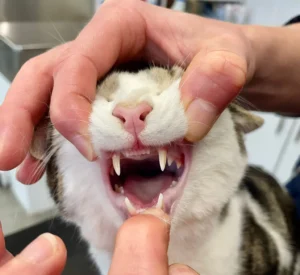
Your pet’s gums can tell you a lot about their health. Healthy gums should be pink and moist, if they look pale, blue, or grey, it may indicate shock, blood loss, anaemia, or serious heart and lung issues. This is always an emergency, especially if your pet has recently eaten something toxic or suffered an injury.
9. Limping, Swelling, or Suspected Fracture
Christmas chaos can easily lead to slips and trips. Pets might slide on icy paths, twist a leg in excitement, fall off furniture during busy celebrations, or get tangled in decorations. If your pet won’t put weight on a leg, shows swelling, or reacts in pain when touched, have them checked out by the vet as soon as possible.
10. Persistent Coughing, Gagging, or Choking
A pet who can’t stop coughing or seems to be choking needs urgent attention. Tinsel, ribbon, or small toys can become lodged in the throat, while winter respiratory infections or heart issues can also cause persistent coughing. If your pet is pawing at their mouth, struggling to breathe, or gagging repeatedly, call your vet right away.
11. Signs of Severe Pain
Pets are masters at hiding pain, so you may notice subtle changes in their demeanour or mobility instead of dramatic reactions. They might start hiding, growling unexpectedly, refusing food, hunching over, or becoming sensitive when touched. Many underlying conditions can cause discomfort. If you are concerned with any change in your pets behaviour, we advise you seek veterinary advice.
12. Sudden Behaviour Changes
Christmas brings noise, visitors, excitement, and changes to routine, all of which can be overwhelming for pets. Sudden behaviour changes can signal pain, anxiety, toxic ingestion, illness, or overstimulation. If your usually outgoing pet becomes withdrawn, restless, clingy, or unusually quiet, it’s a sign that something isn’t right. A quick check-up with the vet can give you peace of mind.

What To Do If You Spot Any of These Signs
If you suspect a pet emergency, try to stay calm as your pet will pick up on your stress, which can make the situation worse. Contact The Vet Whitehaven immediately for advice and guidance on what to do next. Avoid giving your pet any food, water, or human medication, as this can cause further complications. When transporting them, keep them safe and secure in a carrier or gently wrapped in a blanket. And remember, if you’re ever unsure, it’s always best to call for professional help.
Pet Emergency FAQs
What is a pet emergency?
A pet emergency is any sudden illness, injury, or behaviour change that poses an immediate risk to your pet’s health or safety. This includes difficulty breathing, collapse, repeated vomiting, seizures, pale gums, severe pain, or a swollen abdomen. At Christmas, extra risks such as toxic foods, swallowed decorations, and stress can make emergencies more common. If you think something is wrong, always contact your vet right away.
When is dog diarrhoea an emergency?
Dog diarrhoea is an emergency when it’s severe, frequent, mixed with blood, accompanied by vomiting, or if your dog becomes weak, dehydrated, or stops eating. During Christmas, diarrhoea can be triggered by fatty leftovers, chocolate, or raisins, all of which can be dangerous. Puppies, elderly dogs, and dogs with underlying conditions should be seen immediately, as they can deteriorate quickly.
Is excessive drooling in dogs an emergency?
Excessive drooling in dogs can be an emergency, especially if it happens suddenly or is paired with other symptoms like vomiting, pawing at the mouth, shaking, or difficulty swallowing. At Christmas, drooling may signal poisoning (e.g., chocolate or xylitol), something stuck in the mouth, or an oral injury caused by chewing decorations or wrapping materials. If you’re unsure, call your vet straight away.
What Christmas foods are toxic to pets?
Common festive foods that can seriously harm pets include chocolate, mince pies, Christmas pudding, grapes, raisins, onions, garlic, stuffing, alcohol, and anything containing xylitol. Even small amounts can be dangerous, so keep these foods well out of reach and if your pet ingests any of these you need to contact the vet immediately.